Every day (and night) is a good time for UV curing
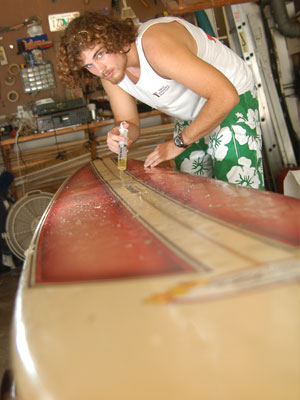
UV curing is a beautiful thing, guaranteeing better results in less time with fewer mistakes and a more consistent product. Whether you are finishing surfboards, violins, furniture, pool cues or art work, UV cure resins make life easier. What we do is make UV curing easier, by helping you create a better environment for quick, consistent UV curing. At a price anyone can afford. As a matter of fact, most people can build a highly effective UV curing setup for less than $500 when they use the right parts. Best of all, an affordable UV curing rig from TanningLamps4less.com means you can cure resin any time of day, any day of the year, and get the exact same results every time. There are no cloudy days with SunMaster on your side.
 Every situation is different, which is why you will never be able to buy any any complete curing rig that is as effective as what you can build yourself. This is where we come in, to make it easy and affordable. We are UV experts and we've been creating UV products since 1985. We are located in Greensboro, NC and have our own factory in Alabama, plus we work with engineers and manufacturers all over the globe. For a number of years, we have been working with people just like you, both small business owners and hard core hobbyists who need UV curing at an affordable price.
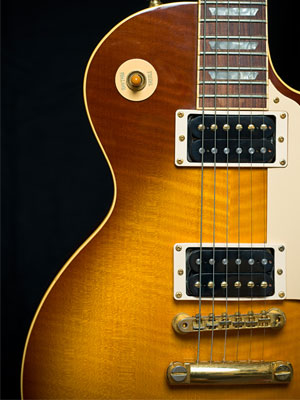
We have helped hundreds of people create dedicated curing rigs for a variety of uses. Violins and bows, guitar refinishing and aging, fishing lures, surfboards, pool cues, subway coatings, screen printing, plus we even have a customer in Hawaii who builds handcrafted ukuleles, and all depend on the quality and performance of SunMaster parts.
Building your own UV curing rig isn't difficult and only requires basic electrical skills and simple tools. We can provide the lamps, the electronics to drive them, the lamp holders to hold them, and the technical knowledge of decades of experience. You just provide a frame that works for your particular application. Best of all, we have complete kits starting under $200 and our kits are easily expandable so you can add more as you expand, or just to reduce curing times even more.
 Below this section, you will find our UV Curing Support section, where we have assembled several articles that our customers have found to be very helpful. Often, a customer will have a very unique situation that requires an experienced technician to help walk you through the process, which is where we shine. My name is Dennis Brown, and you are welcome to call me directly at 1-800-274-1744 x126 for a consultation. I've been here 20 years and have worked with most of our UV cure customers, and write the website here.
Curing UV resins is as much art as science, and many factors such as temperature, thickness and even humidity can affect the time it takes. The key is to have a reliable curing system, one that you know inside and out, and then you can easily adjust your curing times for the best results in the least amount of time. This is why we use only the highest quality parts in our kits, known for superior reliability and consistent results. Just like you, we want the best results each and every time.
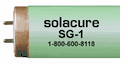
Just about any tanning lamp will cure polyester resin if given enough time, but we have worked to test different lamps under different circumstances in order to narrow down to the best lamps for the job. Picking the right lamp can cut your curing time down by many times. The same is true for how you power it, as the right ballast can get more UV from a standard ultraviolet lamp, allowing you to use off the shelf parts for about 90% less than buying a custom curing rig will cost you.
Thanks for checking us out, and I ask that you go ahead and bookmark us now, to make coming back easier.